
About a month ago, I started delving slightly deeper into the topic of people-pleasing. I had noticed the term being used more than ever before; people self-identifying as people-pleasers, people casually labelling others as people-pleasers, people pushing back on their pleasing compulsions… people… people… pleasing.
If you don’t know what people-pleasing is, I wrote If you do this, you’re a people-pleaser, outlining three key indicators:
- You don’t communicate your needs. This might be because they’ve previously not been listened to, or you don’t know what they are.
- You say sorry… all the time. Taking responsibility is a great characteristic, but over-apologising for things that aren’t yours to own… that will erode you.
- You avoid conflict at all costs. It feels easier to keep quiet than risk upsetting someone. Wrong! It’s never easier not to say it.
To be clear, people-pleasing is not about being a nice person who pleases others. It’s about the perception of being nice, at a cost to yourself. The cost of people pleasing can impact your health, your wealth and your sanity. In short, people-pleasing sounds quite pleasant, but it’s actually something to be taken rather seriously.
As I learned more about people-pleasing, I discovered a key trend is not communicating or upholding your needs.
I wanted to explore how someone might be able to discover their needs if they weren’t sure what they are. So I set myself a challenge. For one week, I would start the day by asking myself the question what’s the one thing I can do for myself that will make my day? I called it A week of pleasing myself, and you can read the full piece here.
The week included:
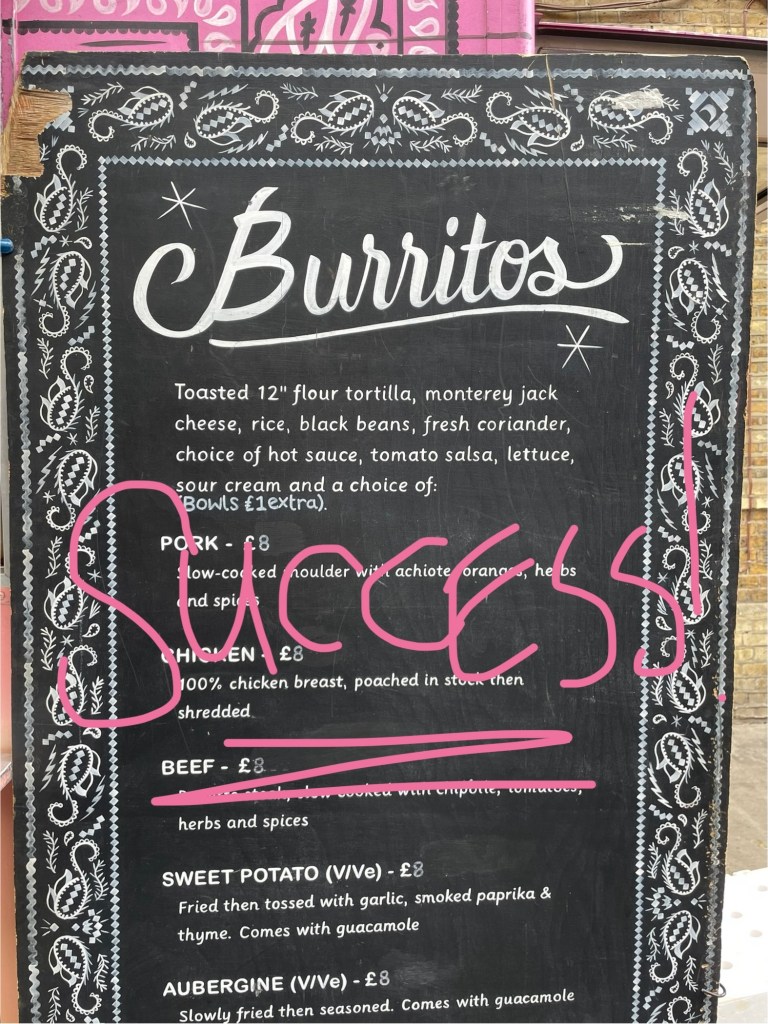
- A lunchtime burrito
- A mid-afternoon walk
- An afternoon nap
- A morning dog walk
- A Friday night takeaway
- Lighting the wood-burning stove
- Laying on the grass
Nothing too drastic or costly, yet I found that week revelatory.


Continuing the practise
At the end of the week, I felt transformed.
I felt like I’d made myself laugh with some of the intentions on the list. But I had also looked after myself; protecting space for some things that would benefit my health and mindset that I wouldn’t have done outside of the ‘exercise’.
The resounding takeaway from the week was that I gave myself license to do The Nice Thing for myself each day; it became just as important as any other task or job on my to-do list. If I needed to hoover and I’d also assigned myself a nap for that afternoon… well, I made sure that both things happened.
I decided to keep it up and – inspired by the name of my publication – chose to publicly state my intention for the day. My ‘one thing I can do for myself that will make my day’. I was choosing to live more intentionally…
Here’s how it went…
A month of pleasing myself
Looking over my intentions for the month, there were a couple of really good ones:
- I took my morning tea outside, sitting at my little sage green bistro table and listening to nothing but nature.
- I chose to end a busy day with a relaxing bath. Knowing this was how the day would wind down motivated me to stay focussed throughout the day, bringing that bubble bath closer to reality.
- I took myself to the cinema, complete with a giant helping of popcorn (salty) and comfy socks.
The best and most restorative daily intention was often a day of doing nothing. No chores, no admin, no to-do list.
I initially found it extremely challenging to drop everything and slow down. I wrote A people-pleaser’s guide to doing nothing at this time. It was hard for me to switch off and go ‘off-list’, I really floundered at first. And then I realised the key was to consider the intention behind the day of doing nothing. It was an act of generosity to myself. I could do whatever I wanted to do. I deserved it.
Intentions that became habits
There were a number of intentions that rather quickly became regular, daily habits. These were often things I’d been wanting to do for myself but never prioritised.
For example, getting up and out with my dog each morning. This is good for her, it’s good for me. It helps to set my circadian rhythm, it connects me with nature, it gives her a good run-around before the day even starts. After setting it as an intention a couple of times – which ensured if I did only one thing that day, that was it – I began to live the benefits. This then became hard to not do. It’s how I wanted to start my day. It became something I looked forward to.
The same thing with afternoon naps. I know about the physical and mental benefits of a short afternoon sleep (or even non-sleep deep rest) but would always push through feelings of fatigue. After ‘indulging’ in a nap as my daily intention, I noticed I always do actually sleep (therefore it’s clearly more of a need, than an indulgence), it barely takes any time out of my day, and the rest of the day becomes much more enjoyable, and productive. Now, if I’m ever at home I will take myself off to bed for 20 minutes or so after lunch but before 3pm. It’s a winner!
Intentions that were chores in disguise
It didn’t take long for me to sneak chores in as intentions in disguise. I’m in two minds about this because sometimes getting that thing you’ve been putting off done could be the best thing you can do for yourself that day.
It’s just not very exciting when you realise your “one thing I could do for myself today to make my day” was… admin. Or doing the food shop.
So I re-steered my mindset…
Mindfulness in the minutiae
Another significant shift was encouraging myself to find joy in the detail. There was a day when I did need to get a lot of housework done, but through my intention I chose to relish in the process rather than rush through it in order to ‘tick it off’.
On another occasion I had a meeting to prepare for but made a note to try on outfits in advance as well as share the outcome with my nearest and dearest. This elevated the day hugely and made me feel bright and light and present.
On a long car journey, I made sure the car was clean, snacks were plentiful, and I had a good audiobook to listen to. This turned the transit in to a treat, and was a great mental switch.
Observations and challenges
Taking stock after a month and analysing my daily intentions has been revealing.
Being able to spot when I’m hiding practical suggestions in what is supposed to be more of a treat – BAD. All the days I’ve taken myself ‘off-list’ and encouraged spontaneity – GOOD.
I was quite surprised how tricky I found it grappling with my imagination each morning. Rules presented themselves, queries and concerns floated around my mind – does it count if I do it in the morning? What if I want to do the same thing twice, is that allowed?
After a month+ of setting daily intentions, I began to notice patterns of things that worked well, vs. things that were a bit… meh.
Suggested framework
- Decide your intention in the morning and stick to it.
- Don’t overthink it or change it, there’s always tomorrow.
- Be specific, as specific as you can possibly be. Dig into the detail in your mind.
- Choose just one thing and commit.
- Be realistic. Don’t suddenly imagine you’re going to be able to meditate for 1h, or go for a long run out of the blue.
- Start small and actually do it. It’s rewarding this way.
Be mindful of too many treats being food-related, or expensive. It sort of misses the point.
Also try not to rely on other people too much; that’s outside of your control. Home in to yourself and your needs. It’s about learning how to please yourself… for example avoid ‘a walk with the family’, how about just going for a walk? If they want to come, they can (or they can’t? up to you!) – but this way you’re not bound to anyone else’s schedule or agenda. Even if you just go round the block on your own, you’ve done what you needed to do… for yourself.
The response to pleasing yourself
After writing the original post I had countless excited people make contact with me, inspired to try their own challenge.
A friend of mine told me after reading my post she wanted to walk to the top of that hill and sit with no distractions for a bit… so she did.
Another friend said she would stack setting a daily intention on to another morning habit and use it to carve time out for herself. She gets pulled in a million directions with family life and she wanted to try this mechanism as a way to tend to her own needs.
Online the response was enthusiastic. And the continuing practise feels like a gift.

I’m not suggesting this becomes a militant practice for anyone; if you don’t do it every day, you haven’t failed – that really is not the point. But the gentle encouragement each morning to search your brain for something just for you, something you’d enjoy, something you’d find purpose and meaning in… well, it’s done exactly that.
I’ve never been so present and aware of the little joys around me, the little wins and the little comforts. It’s a generous daily offering to myself, and it feels warm and kind. Pleasant. Pleasing…
This practise has fine-tuned my focus and has truly made me live each day more intentionally.
Have you tried it? Let’s chat in the comments!
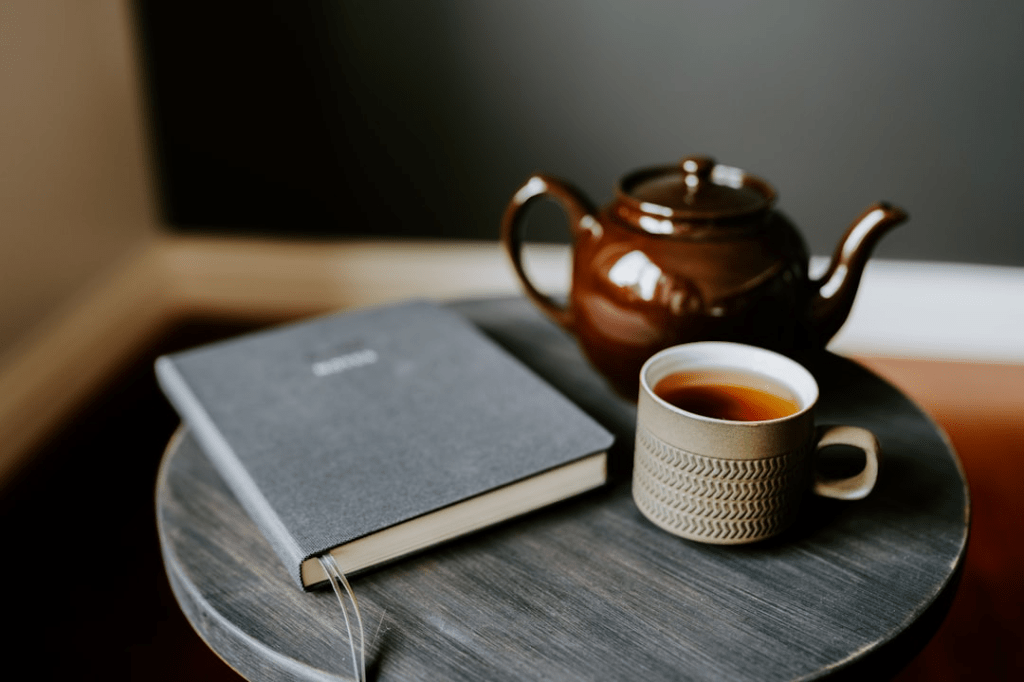
I have no intention of paywalling my work. If you like what you read, consider buying me a cup of tea. I’d love to virtually toast you over a pastry!


 Living Intentionally
Leave a comment…